
What to look for in Emergency Rations
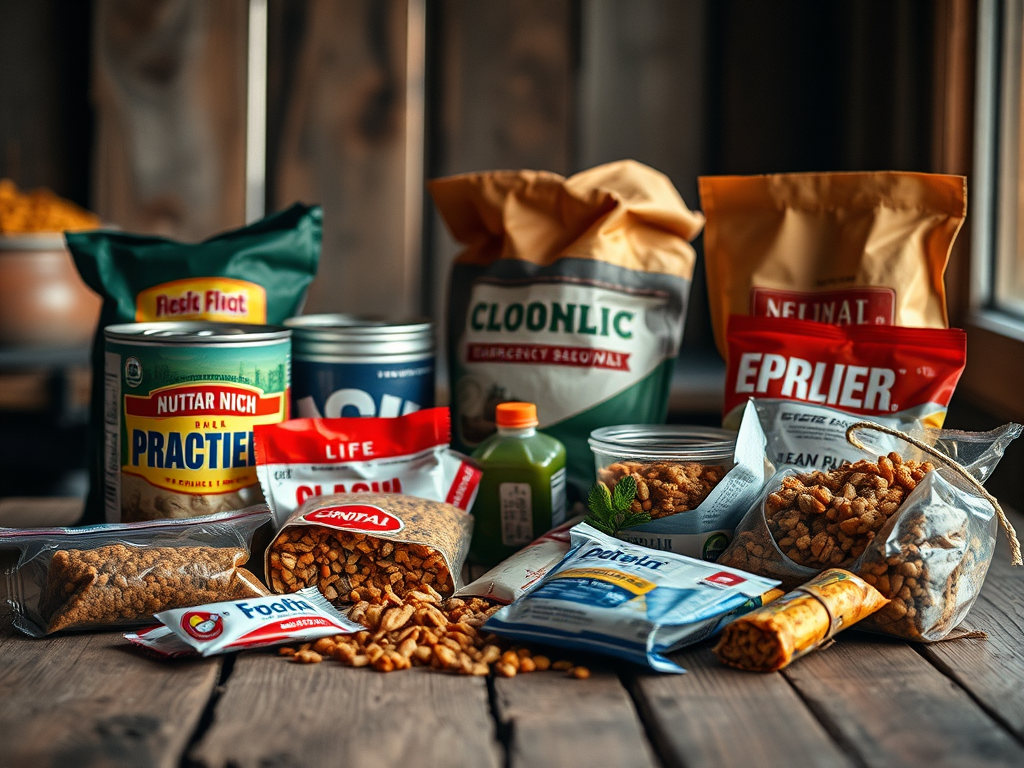
In a survival situation, your emergency rations aren’t just fuel; it’s peace of mind and comfort. The best emergency survival foods are those with extremely long shelf lives, minimal prep, and high nutritional value.
A long shelf life is of the utmost importance when considering your food storage supplies. There is no way to know when an emergency may strike, and it can be costly to continuously be replacing short lived foods while waiting for such an event. For this reason, fresh meats and produce are not good choices for emergency rations. Whatever the emergency situation, you need to have rations that can last for an extended period without taking up a lot of room in your refrigerator or freezer.
Prioritize foods that require little time and/or tools to prepare. Just as you don’t know when an emergency may strike, you also have no way of knowing what the conditions of the emergency may look like. If it’s a financial emergency, you should be able to prepare foods normally in your kitchen and simply use your emergency stockpile of foods to reduce costs until you find a new job. But if a natural disaster rolls in and disrupts basic infrastructure such as electricity and water, you may have trouble cooking certain foods.
Nutrition should always be a consideration with your emergency rations. Paying attention to macronutrients is especially important for situations that may last more than a few days. Macronutrients are simply protein, carbohydrates, and fats. Yes, a certain amount of fat in your diet is healthy. Micronutrients (Iron, zinc, vitamins, etc.) are less important to plan for unless you are expecting a prolonged emergency or having a health condition which requires a certain diet.
This list of survival foods isn’t focused on stocking some bunker for the end of times; there are plenty of other lists that can focus on simply the products with the longest shelf lives. The food items on this list are rations that blend the three considerations above and are light enough to include in a packed bug out bag if needed.
Emergency Rations Should Contain Food You Enjoy Eating
Food is a vital component to survival, not only as the fuel to push through whatever tribulation lie ahead, but as an emotional boost as well. Food should make you happy, and this is even more important in emergencies.
Imagine you are in a dire situation, such as a hurricane wiping out the infrastructure where you live and the only foods you have to eat are bland and flavorless, or something that you simply find disgusting. Instead of mealtime making everything seem slightly better, mealtime would only make everything appear more bleak.
I once met a person who, for this very reason, always made sure his bug out bag had a can of his favorite soda in it. His theory was that if something bad enough to force him out of his home occurred, he could make sure he had at least one last sip of happiness before dealing with the unknown future.
Recommended Emergency Rations
Please keep in mind that the shelf life listed below is a rough guideline and not an absolute rule. Inspect any food before consumption and do not consume if there are any signs of spoilage including, but not limited to, bad smells, slimy textures, discoloration, mold, and damaged cans or containers.
1. White Rice
- Shelf life: 25+ years (depends on rice variety and storage)
- Why it lasts: Low moisture and fat content
- Bonus: High in calories, easy to cook, and versatile
Rice is a survival superfood, making it an ideal emergency ration. It lasts a long time, is easy to cook, is a food source high in essential carbohydrates, and is incredibly cheap. It pairs well with many kinds of meats and vegetables, making it an easy addition come meal time. Before cooking it is incredibly light and easy to transport.
The only real downside to rice is that it does need to be cooked before eating. The preparation is simple and only requires a cooking vessel (such as a pot), water, and a heat source (such as a fire), but there may not be any guarantees you have access to all three easily. Plan to have some bottled water on hand and a fire starter kit, and you should be able to overcome these hurdles, however.
2. Dried Beans
- Shelf life: 25+ years (taste deteriorates after about 2 years)
- Why it lasts: Naturally low in moisture
- Bonus: Excellent source of protein and fiber
Just about everything written above about rice applies to dried beans as well. Instead of carbohydrates, beans provide protein, fiber, and other micronutrients such as iron.
Dried beans, unlike their fresher or canned varients, don’t have a significant source of fat, however. This is due to the dehydration process, which removes any unnecessary moisture and fats that may speed up spoilage. This won’t be a significant issue in short term emergency situations as the body can easily last without fats for a few days, but you should always plan to get fats from other emergency rations for longer emergency situations.
3. Honey
- Shelf life: Indefinite
- Why it lasts: Naturally antimicrobial
- Bonus: Never spoils, helps wounds, and boosts immunity
Honey is one of the healthiest and tastiest natural sweeteners around. It never spoils or goes rancid; if it ever crystallizes, just warm it up a little bit and watch it go right back to being the gooey goodness that it is. Never underestimate the emotional boost that a little sweetness can bring a person when they are facing unexpected emergencies or roughing it away from any of their daily comforts.
The only downside to including honey as an emergency food ration is its weight, as it can be difficult to carry with you in a bug out bag unless baked into some other food item.
4. Salt
- Shelf life: Forever
- Why it lasts: Moisture-free and stable
- Bonus: Preserves food and supports hydration
Salt is an essential part of our diets and helps enhance the flavor of nearly anything it is added to. Beyond its immediate application in cooking, it can be used to preserve meats and other foods, making it a must have for any long-term emergency food situation.
Its weight could present an issue on long treks, however, so some discretion must be taken when planning. The weight won’t be an issue for any emergency situations that allow you to remain in your home. For bug out bags, however, you should only take a small amount to use as a dietary supplement and seasoning.
5. Hardtack (Survival Biscuit)
- Shelf life: 20+ years (depending on the recipe and storage methods)
- Why it lasts: Just flour, water, and salt
- Bonus: Historic military ration with serious staying power
Hardtack is basically just a primitive unleavened bread. It is dry and thus easy to store at room temperature and lightweight to carry. The flavor is rather uninspiring given the simplicity of its recipe, but it can be spruced up by adding another long-lasting ingredient such as honey. It is a good source of carbohydrates like rice, but unlike rice it does not require any preparation before eating, which makes it ideal for emergency situations you may not have the time or resources to cook. It has historical use by early explorers and soldiers from thousands of years ago for this very reason. That said, it can be incredibly hard, so softening with water or a soup is helpful.
It is also important to note that adding other ingredients to the recipe, such as honey or dehydrated fruits, will have a significant negative impact on hardtack’s shelf life. If adding such ingredients, it is best not to consume the hardtack after a year (or less) to be safe.
6. Powdered Milk
- Shelf life: 1–20 years, depending on the producer
- Why it lasts: Fully dehydrated and sealed
- Bonus: Adds calcium and protein to your diet
Milk does a body good, or so they say. Unfortunately, milk doesn’t last long, even with refrigeration, and it is difficult to transport safely in a bug out bag. Enter, powdered milk. Powdered milk is simply normal milk that has had all the moisture pulled from it during a drying process. Add some powdered milk to drinkable water and you have milk ready to drink. This can add an extra spurt of protein and a small amount of fat to your emergency rations while giving you a little variety in your drinks (it gets very old drinking nothing but water for extended periods of time).
7. Canned Meats (Spam, Tuna, Chicken)
- Shelf life: 5–10 years (will start deteriorating in taste around 2-5 years)
- Why it lasts: Sealed and pressure-cooked
- Bonus: No prep, high protein, shelf-stable
Canned meats provide an excellent source of protein during periods when you are unable to obtain fresh meat or other sources of protein. The long shelf life and compact transportation container they come in make them a perfect protein source for emergency food. They come pre-cooked and ready to eat as soon as you open the can.
Speaking of which, opening the can is sometimes the hardest part about canned meats including canned meats in your emergency rations. Make sure your canned meat either has a pop-tab mechanism or you carry a can-opening tool with you.
8. Dehydrated Fruits and Vegetables
- Shelf life: .5–2 years
- Why it lasts: Moisture-free, vacuum-sealed
- Bonus: Easy to store, nutritious, lightweight, and can be made at home
No diet plan is balanced without adding some plants to it. Dehydrated fruits and vegetables are very similar to dried beans in terms of use and versatility, but they offer essential micronutrients difficult to find in other foods. Dehydrated produce will also provide a good source of carbohydrates, though not as many as some other items on this list. While you can dive deep into the nutrition of each vegetable and craft a perfect nutrition plan, just plan on dehydrating and consuming a variety of vegetables. A quick glance should be all you need to determine the rough balance of your diet; the more multicolored your vegetables are, the better.
The biggest downside to dehydrated fruits and vegetables in your emergency rations is definitely the shelf life. Compared to all the other foods on this list, dehydrated produce will spoil fastest. I recommend developing a taste for dehydrated produce so you can consume it throughout the year and just replace what you consume periodically. This will reduce the amount of food waste.
9. Peanut Butter Powder
- Shelf life: 1–10 years (depending on manufacturer)
- Why it lasts: Low-fat and vacuum-packed
- Bonus: Rehydrates easily, high in calories, trinity of macronutrients
Peanut butter is a relatively well-balanced food from a macronutrient standpoint. It offers the holy trinity of protein, fat, and carbohydrates all in one food item. It also contains many other micronutrients. But much like milk, it can be difficult to transport a sufficient quantity on a long trek. The solution for peanut butter is the same as it was for milk: pull all the moisture out and leave a powder that can be reconstituted as needed. Powdered peanut butter is incredibly light and easy to transport, though it does lose some of the fats that would be found in normal peanut butter. Maybe that’s a positive for some people, but remember that fat is good in emergency survival situations.
10. Pemmican
- Shelf life: 5–20 years (depending on preparation and storage)
- Why it lasts: Combination of dried meat, rendered fat, and (sometimes) berries
- Bonus: Ancient survival superfood with major energy value
Similar to Hardtack, Pemmican has its emergency ration roots in historical survival. In the case of Pemmican, however, it was created and consumed by indigenous tribes in North America instead of soldiers. Made by pulverizing dried meats and adding rendered fat, Pemmican was an essential food for indigenous survival by providing long-term proteins and fats. Honey or berries can be added, but keep in mind that extra moisture will reduce the shelf life considerably just as it does for hardtack.
Alternate Option: MREs (Meals, Ready to Eat)
MREs are a quick and convenient way to create a stockpile of emergency rations with a variety of dishes. They generally are good for at least 5 years, though some are still safe to eat significantly later than that so long as the packaging is in good shape still.
There are a few downsides that make them less than ideal, however. First is the price tag, as one meal can be significantly more expensive than most of the other items on this list. Second is the weight: depending on the specific MRE the pack will typically weigh somewhere around 2 pounds (a little less than 1kg for you metric folks). Finally, the size of the package is about the size of a large book.
MREs can be a great emergency ration for certain people and certain situations, but the weight and size makes them less than ideal for a bug out bag. And if you are at home for an emergency, the other ingredients listed can still provide hearty and nutritious meals for significantly less money.
Final Thoughts on Emergency Rations
Having some emergency rations available does not mean having an entire bunker filled with freeze dried goods. Of course that is nice and if you have the financial capability, do it. But even if you don’t have the funds for a significant stockpile, setting aside a ziploc bag with a cup of rice or stashing a granola bar in your vehicle’s jocky box can make a world of difference.
Don’t forget to make sure you have packed food in your bug out bag! Make sure to check out our tips on what else to pack in your bug out bag.
 Rugged Edge
Leave a comment