
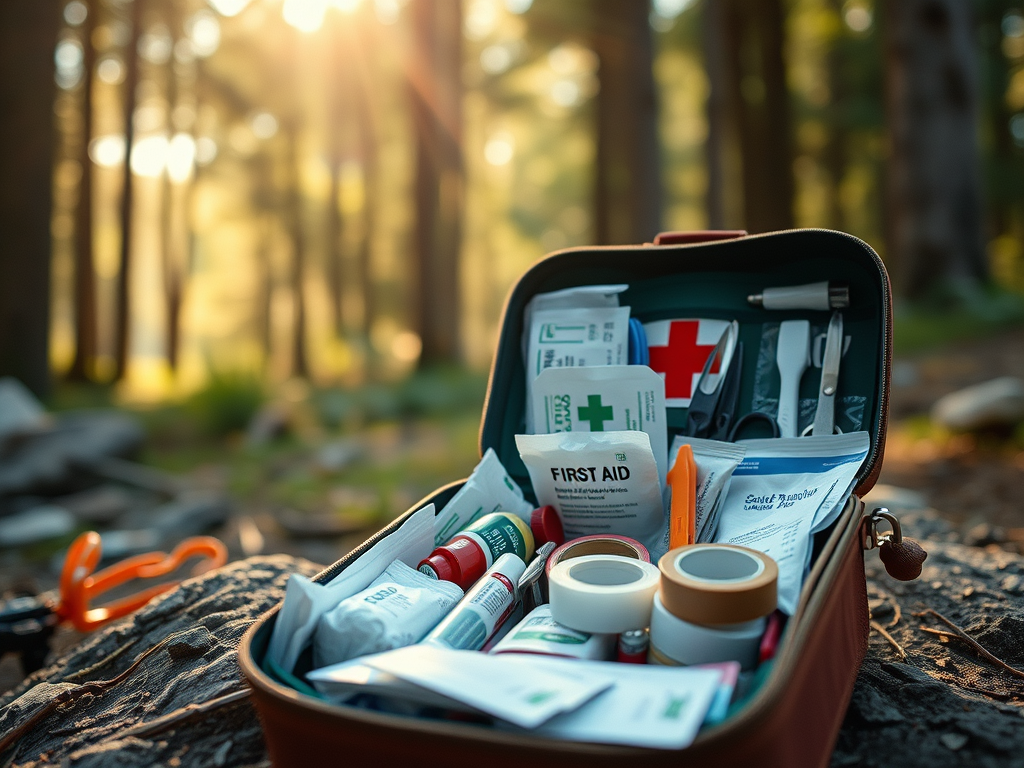
Why a Wilderness First Aid Kit is Crucial
When venturing into remote or backcountry areas, access to emergency medical services can be significantly delayed. Having a well-stocked wilderness first aid kit ensures you’re equipped with the tools and supplies to manage common injuries. A thoughtfully packed kit can prevent infections, reduce pain, and provide critical life saving care in survival situations. Whether you’re planning a hiking expedition, backcountry camping trip, or hunting adventure, carrying a kit with the right first aid essentials is vital for outdoor safety and self-reliance.
Core Categories of First Aid Supplies
1. Wound Care First Aid Supplies
- Sterile gauze pads (various sizes): Sterile gauze pads are used to absorb fluids from a injury site. Typically this will be placed over an open wound to slow or contain bleeding, but gauze can be used to remove any fluids. There are non-sterile gauze pads available on the market, make sure you only have sterile gauze in your first aid kit to minimize the risk of infections.
- Adhesive bandages (assorted sizes): Adhesive bandages stick to the skin and protect an open wound, making it more difficult for harmful bacteria to enter the wound to cause infections. Typically used for smaller wounds.
- Antiseptic wipes or solution (iodine or alcohol-based): These wipes are used to clean wounds and tools to minimize the risk of infection. Iodine antiseptic wipes are recommended over isopropyl wipes. Iodine wipes don’t sting when applied making it easier to clean the actual wound (whereas alcohol can really only clean around the wound).
- Medical tape (cloth or waterproof): Medical tape is used any time you need to secure something to a body near an injury. Typically, this means holding medical gauze over an injury in a wilderness first aid setting, but it can be used for other purposes such as holding a makeshift splint in place.
- Elastic wrap bandage: Elastic wrap bandages are a stretchy bandage material used to wrap around sprained or strained muscles and joints. The compression can help reduce swelling and provide a small amount of stability to injured joints.
2. First Aid Tools and Instruments
- Tweezers: Used when you need precision pulling things out, such as splinters and ticks.
- Small trauma shears or scissors: Can be used to cut away clothing from an injured body area, giving safe and easy access to provide first aid treatment.
- Safety pins: Useful for securing cloth bandages or slings
- Thermometer: Useful to check body temperature for fevers. Opt for a compact digital thermometer. If hypothermia may be a concern, make sure to have a higher end thermometer for rectal use.
- CPR mask or face shield: Used to protect yourself from potential ailments while performing first aid.
- Latex free vinyl gloves: Also used to protect yourself from potential infectious diseases while performing first aid. Some people are allergic to latex, so opt for latex free gloves.
- Emergency mylar blanket: Sometimes known as a “space blanket” an emergency mylar blanket can be an incredibly useful tool for keeping an injured person warm. It also has numerous uses for survival situations outside of wilderness first aid.
3. Medications
- Pain relievers: Stick to over the counter pain relievers unless you are licensed to dispense prescription medications. Aspirin is the best option since it can also act as a blood thinner (has uses for heart attack treatments), but always keep some ibuprofen or acetaminophen as well since some people are allergic to aspirin.
- Antihistamines: Can be used to mitigate minor allergic reactions. Can also be used to alleviate minor symptoms of nausea
- Antibiotic ointment: Disinfection for minor cuts and scrapes that don’t warrant the antiseptic wipes.
- Personal prescription medications: Always keep at least a few doses of any medication you have been prescribed in your first aid kit just in case you need them.
4. Documentation and Communication
- First aid manual: Most people won’t remember everything they need to know about first aid unless they practice it regularly. Take a course, read the manual beforehand, and make sure you are familiar with first aid techniques. You should only use the manual as a reference or refresher when the need arises if you are unsure of something.
- Emergency contact information: This information is probably better kept in a pocket, but if you are injured and someone uses your first aid kit for your treatment they will likely want to know who they should contact.
- Designation of healthcare agent (medical power of attorney): Your healthcare agent is the person who makes medical decisions for you if you are incapacitated, a useful bit of information for anyone treating you. Like the emergency contact information, it is probably better to keep it in your pocket but in your first aid kit may not be a bad location.
Wilderness First Aid Kit Packing Tips
- Use a waterproof, rugged pouch with labeled compartments
- Regularly check expiration dates on supplies and medicines and replenish used items
- Customize your first aid kit based on trip duration, group size, and medical needs
- Store your wildernerss first aid kit in an easily accessible location in your backpack
- Splints and slings can frequently be improvised on site, so if you are short on space in your kit you can probably skip packing them. they are definitely helpful to have, so if you have space make sure to pack them.
Practice Your First Aid Skills
Make sure you know how to perform first aid before you actually need to. There are numerous courses available to learn or practice your skills and tons of information to read up on if you are inclined to do some extra research. Knowing practicing wilderness first aid is of course the best if you are going to spend a significant amount of time in the wilderness, but even basic first aid knowledge will prove immensely important. Make sure to check out our guide on wilderness first aid basics.
 Rugged Edge
Leave a comment